
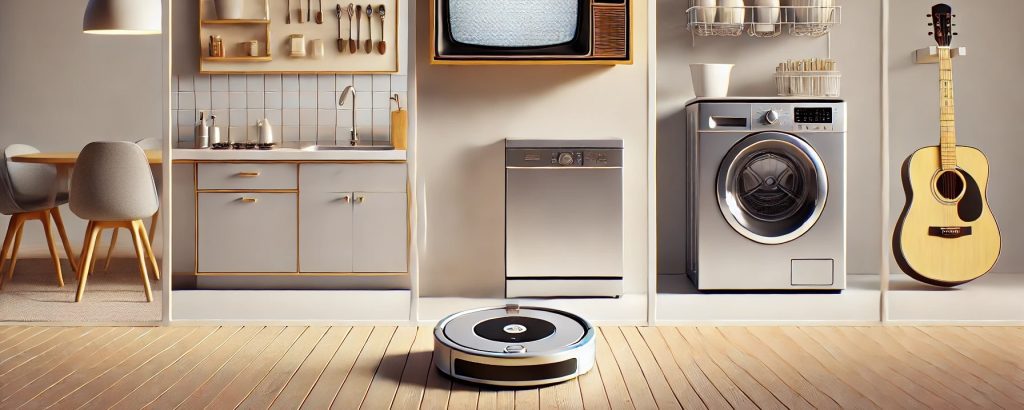
Laziness has a bad reputation but in certain situations, it is not a flaw but the fuel for creativity, innovation and inventions. We humans are wired to seek comfort. When we are forced to do tasks that are tedious, repetitive or out of our comfort zones, we come out with ingenious solutions and inventions to turn mundane tasks into effortless pleasures.
In this post, I talk about a few such inventions that were driven by the pursuit of comfort, and which relied heavily on the laziness (or convenience) of the target users for their success.
1. Remote Controller
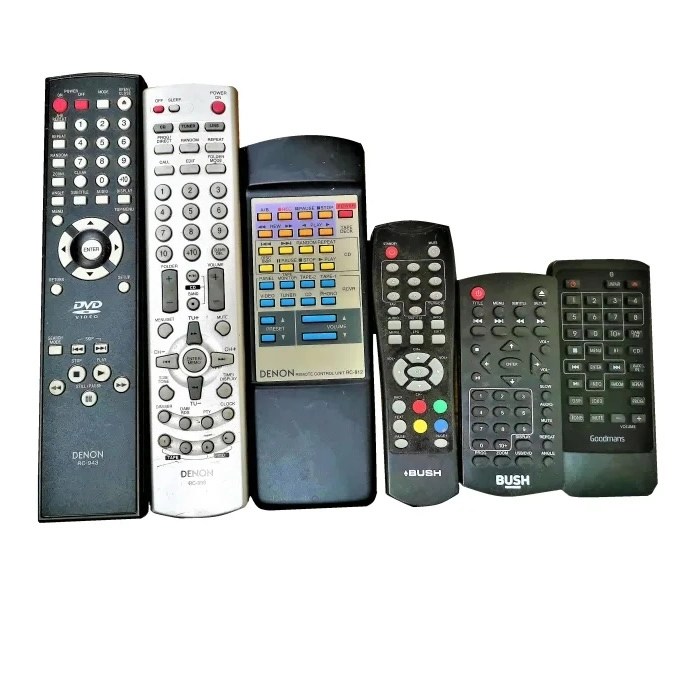
It’s a no-brainer that the Remote control will top this list. No better comfort than being able to control everything just by pressing a button. Without moving an inch from the couch. Well, a remote control does just that.
the credit for its invention goes to Eugene Polley, who created the “Lazy Bones” In the 1950s, a wired remote control at Zenith Radio Corporation and paved the way for modern remote controllers. In 1956, Robert Adler took his invention a notch further by co-creating the wireless TV remote control. Wireless remote used high-frequency sound waves to communicate with the television set.
This transformed the way we consume media. The remote control has since become a symbol of modern convenience. Today remote controls are indispensable. They are controlling not just TVs but a myriad of household appliances. With voice-controlled remotes and smartphone apps. An apt case on an invention pushing laziness to new heights.
2. Dishwasher
Doing the dishes is one of those chores that everyone dreads. Josephine Cochrane, a wealthy socialite, was no exception. In the late 1800s, after watching her servants break her expensive China, she decided to find a better way. In 1886, Cochrane invented a device that cleaned dishes with precision. Her invention transformed domestic chores and freed us from the drudgery of dish duty.
Dishwashers became quickly popular with hotels and large restaurants due to their efficiency and ability to handle large volumes of dishes. Today, dishwashers are equipped with advanced features such as multiple wash cycles, energy-efficient designs, and noise-reduction technology. They are an essential part of everyday life, turning a once-dreaded chore into a hassle-free experience.

3. Roomba

Home cleaning is another task that is unenjoyable for many. Leave aside the mops and brooms, some don’t want to do it even using vacuum cleaners. Colin Angle and his team were motivated by the tediousness of manual vacuuming. In 2002, iRobot introduced the Roomba, which takes laziness to a new level.
Roomba, a robotic vacuum cleaner is designed to do the cleaning for you. Equipped with sensors, Roomba navigates around furniture and cleans floors autonomously. It can even detect dirtier areas and focus on those spots. Roomba models also include features like Wi-Fi connectivity, voice control, and self-emptying capabilities, further enhancing their convenience.
4. Shopping Carts
Shopping Carts are an integral part of the modern shopping experience. Have you considered how these carts subtly influence our shopping behaviour and encourage us to buy more? Take a moment to reflect on the days when shopping carts were not available, and we relied solely on plastic baskets. Their small size made them quite inconvenient, as they could only hold a limited number of items.
Once a basket felt heavy, customers would know it was time to check out, regardless of whether they wished to purchase more. Observing this pattern, Sylvan Goldman, a visionary supermarket owner, realised there was a need for a better solution. In a stroke of ingenuity, he invented the shopping cart in the 1930s. A simple and effective invention that allows customers to shop with ease and comfort.
Today, shopping carts are so common that we rarely acknowledge the convenience they provide. Allowing us to easily carry the groceries without the burden of weight or limited space.

5. Automatic Doors

Imagine carrying heavy groceries or balancing a cup of coffee while trying to open a door. Frustrating, isn’t it? Contrast this with the sheer satisfaction of walking through a door that magically opens for you. Driven by the desire to avoid the hassle of manual doors, Dee Horton and Lew Hewitt, created the first automatic sliding door in 1954 and installed it at the Stanley Works plant in Connecticut.
Automated doors since, are making entry and exit as seamless as possible. By eliminating the need for manual effort, automatic doors have redefined the way we enter and exit buildings. A handy invention symbolising the intersection of technology and convenience.
Today, automatic doors are equipped with sensors, ensuring they open only, when necessary, thereby conserving energy. These doors have become indispensable in hospitals, airports, and retail stores, enhancing accessibility for individuals with disabilities and improving overall foot traffic flow.
6. Escalators
Climbing stairs in the shopping mall is a great workout unless you’re not in the mood for exercise. In that case, you can take the escalator, the brainchild of Jesse W. Reno. Laziness met opportunity when a friend, wearied by daily stair climbing, inspired Reno invention of a moving staircase. In 1892 Reno built a prototype of what he then called the ‘Inclined Elevator’.
The prototype was installed at the Old Iron Pier at Coney Island, where it demonstrated its potential to the public. By transforming vertical travel into a seamless journey, escalators have become an essential part of urban infrastructure, embodying the ultimate fusion of laziness and ingenuity. Today, millions of people use escalators daily in malls, airports, and subway stations. They’re more than just a convenience.

7. Electric Kettle

Laziness and a craving for caffeine conceptualised the Electric Kettle. Driven by the inconvenience of boiling water on a stove, Arthur Leslie Large invented and patented the Electric Kettle in 1922. His simple design with a heating element built into the base, made it more efficient than traditional stovetop kettles. The Electric Kettle allowed rapid water heating with minimum effort.
Soon this invention gained popularity among tea and coffee lovers. Modern electric kettles come with features like temperature control, rapid boil technology, and automatic shut-off for safety. These advances have made the electric kettle an essential kitchen appliance. From brewing a perfect cup of tea to preparing instant noodles, the electric kettle has revolutionised our approach to hot beverages and quick meals.
8. Electric Can Opener
Before the advent of plastic containers, tin cans and glass jars were the prevalent means of storage. Opening a tin can manually was a highly cumbersome task. The invention of the Electric Can Opener was motivated by frustration of Walter Hess Bodle from tedious can opening tools. He patented the electric can opener in 1931. Bodle’s design featured a motorised blade that cut through the can’s lid easily. It significantly reduced the time and effort required to open a can.
Today, the electric can opener is a useful kitchen tool that offers convenience and efficiency. It also comes in various designs, including handheld and countertop models, catering to different user preferences. These devices often include built-in knife sharpeners and bottle openers, further enhancing their utility.

Conclusion
To conclude, laziness isn’t just about stretching out on the couch. It’s an art that embraces comfort and efficiency! The fabulous inventions cited above are proof that our quest for ease has led to some head-scratching but delightful innovations. Making even the dullest chores feel like a walk in the park.
“I choose a lazy person to do a hard job. Because a lazy person will find an easy way to do it.”
Bill Gates
So, the next time someone dares to label you lazy, just chuckle and remind them that you are just one invention away from changing the world!
I am positive that you found this article informative and motivating!
Please subscribe to my blog by filling in your details below.
My blog has countless such articles to guide you and quench your thirst for knowledge.
You can also follow me on X and Facebook to read more such stories and posts.
PS: Copilot, ChatGPT and Grammarly have been used to create parts of this post.
Leave a Reply