

We all complain about our lives in one way or another, because life rarely unfolds exactly as planned. A promising career can stall overnight. A relationship we believed would last forever can break down without warning. A business idea we nurtured for months might collapse despite endless effort. In such moments, it is natural to feel overwhelmed.
Many of us instinctively slip into victim mode, blaming external forces, unfair systems, or even fate. But this cycle of victimhood can quickly become a mental trap that keeps us stuck. The way out is simple, though not always easy: taking ownership. Ownership is the first and most crucial step toward breaking free from this debilitating cycle and reclaiming control over our lives.
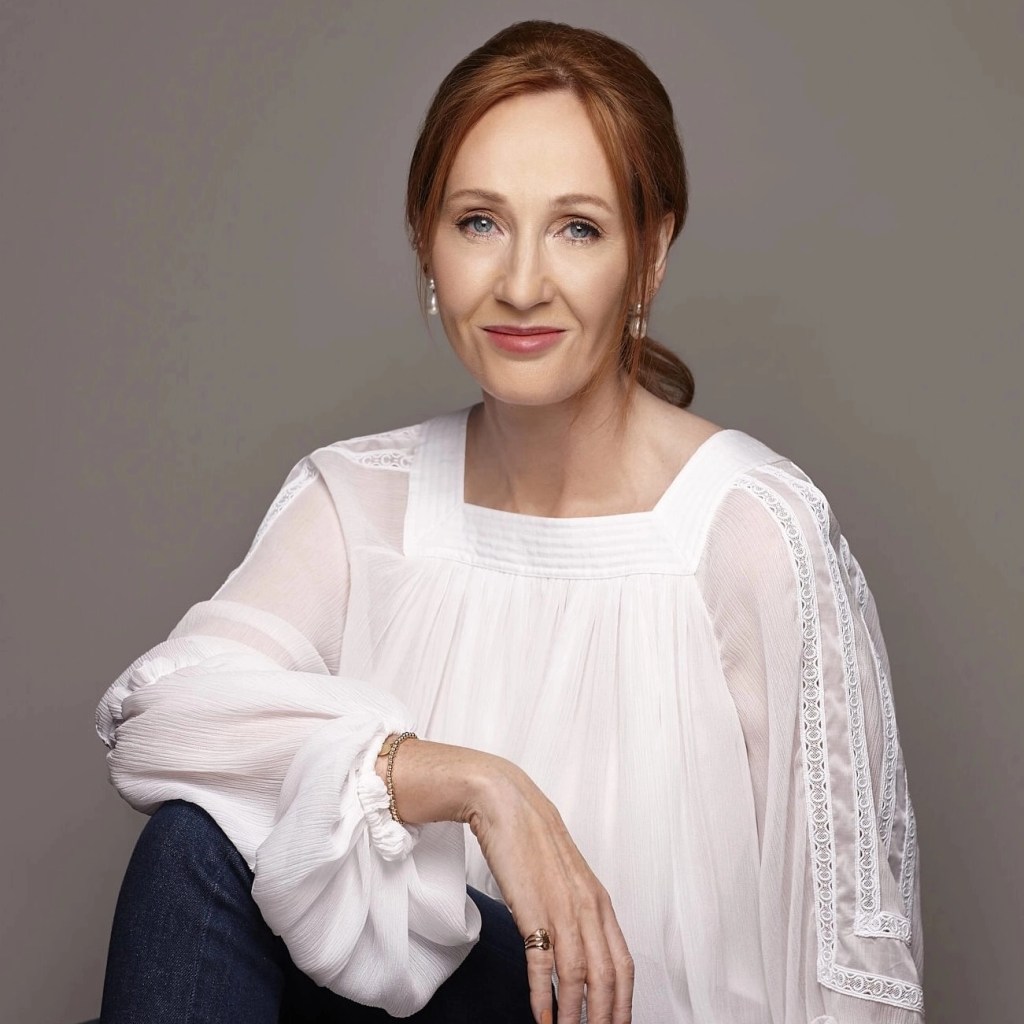
Long before Harry Potter became a global phenomenon, J K Rowling was a struggling single mother living on welfare, rejected time and again by publishers. She had every reason to play the victim, to blame life’s unfairness, and to give up. Instead, she chose ownership of her dream. She committed to her writing, persevered through rejection, and eventually built one of the most successful literary franchises in history.
In the following sections, I will share why playing the victim is such a natural behaviour, the consequences of staying in that cycle, and how taking ownership of our lives offers a powerful path to breaking free. I will also outline a clear process to help you take ownership in both your personal and professional lives, so you can move forward with clarity and strength.
Playing the Victim is Natural
Playing the victim is one of the most common human responses to adversity. It works as a psychological defence mechanism. When faced with a difficult situation like a job loss, a personal betrayal, or a health crisis, our mind naturally searches for a simple explanation. Blaming external factors offers immediate comfort and temporary release from the burden of responsibility.
Psychologists describe this tendency as the “self-serving bias.” It is a mental shortcut where we credit our successes to personal effort but attribute our failures to external circumstances. Research in social psychology links this behaviour to a deep need for validation and a desire to avoid the discomfort of self-blame. It is easier to say, “The world is against me,” than to admit, “I made a mistake.”
From a young age, we are taught to seek sympathy and to view those who suffer as automatically deserving of compassion. While empathy is a vital human quality, living in a constant state of victimhood can quietly turn into a crutch. In moments of crisis, the victim mindset cushions the ego. It builds a narrative where the world is unfair and we remain innocent.
The Cost of Playing the Victim
Victimhood may feel comforting at first, but it comes with serious disadvantages.
- Loss of Agency: When we see ourselves as a victim, we believe we are powerless to change our circumstances. This mindset erodes self-esteem and creates a cycle of learned helplessness.
- Stagnation: A victim mindset is the enemy of progress. Since we are not taking action, we remain stuck in the same negative loop. Our careers, relationships, and personal growth all stall.
- Bitterness: The constant feeling of being wronged leads to resentment towards the world. This bitterness turns us into a person who sees the worst in every situation and every person.
- Strained Relations: Constant complaining and refusal to take responsibility push friends, family, and colleagues away. No one wants to be with someone who drains their energy with perpetual negativity.
Taking Ownership
Taking ownership is about accepting responsibility for our actions, reactions, and life’s direction. It is the recognition that while we may not control every event, we always control how we respond. This proactive mindset is the foundation of growth. Ownership represents a powerful shift from “This happened to me” to “What can I do about this?”
In the workplace, ownership might mean saying, “Yes, the client was demanding, but I could have managed expectations better.” In personal life, it could mean, “Yes, the breakup hurt, but I can reflect on my patterns and make healthier choices moving forward.”

When Satya Nadella took over as CEO, the company was struggling with a stagnant culture and declining influence. Instead of blaming past leadership or external competition, he embraced ownership by focusing on culture change, collaboration, and innovation. His willingness to say, “What can we do differently?” transformed Microsoft into what it is today.
Taking ownership is ultimately the courageous act of saying, “I own this. I own my part in this situation, and I am responsible for what happens next.” It signals maturity, resilience, and strength.
Ownership Is The Key To Breaking Free
Taking ownership breaks the chains of victimhood. When we accept our power, we unlock the ability to change our trajectory.
- Empowerment: When we take ownership, we reclaim our power. We realise that we can change things, and it fills us with a sense of purpose and the motivation to act.
- Problem-Solving: Instead of dwelling on the problem, we focus on solutions. We are no longer paralysed by a problem but energised by the challenge of solving it.
- Resilience: Each time we take control of a difficult situation, we strengthen our ability to handle challenges. It’s like a muscle that gets stronger with use.

Nelson Mandela, after 27 years in prison, could have emerged bitter, blaming his captors. Instead, he chose ownership of South Africa’s future, becoming a leader of reconciliation. His decision transformed not just his own life, but his nation’s.
Ownership is choosing a proactive stance by saying, “I will act, I will learn, I will adapt.” We replace helplessness with agency.
7-Steps to Take Ownership and Break Free
1. Analyse the Situation Honestly
Take a step back and honestly assess your situation. Are you truly a victim, or are you just feeling that way? Identify what is objectively bad and what is a result of your perception. For example, losing your job is bad, but feeling like you’ll never find another one is a perception you can challenge.
2. Assess Available Resources
What tools do you have at your disposal? This includes your skills, support network, finances, and knowledge. Don’t focus on what you lack; focus on what you have. If you lost your job, maybe you have a strong network of contacts or savings that can help you.
3. Identify What is in Your Control
List the things you can control (your attitude, effort, and actions) and the things you can’t (other people’s behaviour, past events, the economy).
Put your energy into the things you can influence. You can’t control that your ex-partner cheated on you, but you can control whether you seek therapy and learn from the experience to build a healthier relationship next time.
4. Do a Personal SWOT Analysis
SWOT, the powerful business tool, works just as well for personal situations. Identify your Strengths, Weaknesses, Opportunities, and Threats. This provides a clear, objective view of your situation.
For a career change, your strength might be your problem-solving skills, while a weakness could be your lack of experience in a new field. An opportunity might be the growth of a particular industry, and a threat could be the high competition for jobs.
5. Design a Short-Term Plan
Focus on immediate, achievable goals that will build momentum. If you’re overwhelmed with debt, your first step might be to call a credit counsellor. If you’re unhappy with your body, your first step might be a 15-minute walk. If emotionally low, it may mean talking to a therapist or journaling daily.
6. Design a Long-Term Plan
Long-term goals create direction. Think about where you want to be in 6 months, a year, or 5 years. Create a roadmap with specific, measurable, achievable, relevant, and time-bound (SMART) goals.
For example, a failed relationship may inspire a long-term plan of self-growth before entering another commitment.
7. Implement, Monitor, and Course-Correct
Ownership is not a one-time event. It is continuous. Take action. Be flexible. Life is unpredictable, and your plans may need to be adjusted. The key is to keep moving forward, learning from your mistakes, and adapting as you go.
Celebrate your successes, learn from your failures, and don’t be afraid to change direction if it’s not working.
Possible Pitfalls and Precautions
The journey to taking ownership isn’t without its challenges. It requires vigilance, self-compassion, and a willingness to be uncomfortable.
- Blame Game: The old habit of blaming others is hard to break. Be vigilant and stop yourself every time you start to point the finger.
- Overwhelm: The task of taking full responsibility for your life can feel daunting. Start small, focus on one area at a time. A series of small victories can lead to a major transformation.
- Perfectionism: Don’t wait for the perfect moment or plan. The best time to start is now. The most successful people are those who are not afraid to fail, learn, and try again.
- Ask for Help: Taking ownership doesn’t mean you have to do everything alone. Take all the help you need, whether it’s from a therapist, a mentor, or a friend.
Finally, be patient. Results from micro-actions compound slowly. The goal is persistence, not instant gratification
Further Reading
If you want to dive deeper into the psychology and practice of ownership, here are some excellent resources:
Extreme Ownership by Jocko Willink and Leif Babin
Drawing on their combat experience, the authors present a leadership philosophy centred on the principle of extreme ownership. A practical guide for applying radical accountability to both professional and personal challenges, demonstrating how taking complete ownership leads to success and effective problem-solving.
Man’s Search for Meaning by Viktor E Frankl
A Holocaust survivor, Frankl argues that while we can’t always control our external world, we have the ultimate freedom to choose our attitude and response. It’s a foundational text for anyone seeking to understand the power of ownership over one’s internal life, regardless of external suffering.
The Subtle Art of Not Giving a F*ck by Mark Manson
Manson argues that true happiness comes from accepting our limitations and choosing what we genuinely care about. It provides a refreshing perspective on taking ownership of our values and choosing to focus on what truly matters, rather than being a victim of constant societal pressures and expectations.
Conclusion
Life’s cycles of ups and downs are inevitable, and no one can control everything that happens. Playing the victim is a well-worn path, but it always leads to a dead end. It may offer short-term comfort, yet it comes at the cost of long-term misery.
What we can control is how we respond. Taking ownership is the road less travelled. It may be full of twists and turns, but it is the only road that leads to real freedom and fulfilment. Ownership is a conscious choice we make every single day.
Playing the victim may feel natural, but it keeps us stuck in place. Ownership, on the other hand, gives us power. It shifts the focus from helplessness to action, from excuses to solutions. So, stop asking, “Why me?” and start asking, “What next?”
That simple but profound shift from victimhood to ownership has the power to transform not just our work, but our relationships and our lives.
I am positive that you found this article interesting and useful!
Please subscribe to my blog by filling in your details below:
My blog has countless such articles and stories to guide you and quench your thirst for knowledge.
If you enjoy videos, you can watch interesting thoughts and stories on my YouTube channel.
You can also follow me on X and Facebook to read more such stories and posts.
PS: Gemini and/or ChatGPT have been used to create parts of this post.
Leave a Reply