
Our life’s fabric is woven out of the vibrant colours of our memories. Each node of the fabric depicts a good or bad memory. Memories of the things that we do, the objects we touch, the food we eat, the aromas we inhale and the songs we listen to.
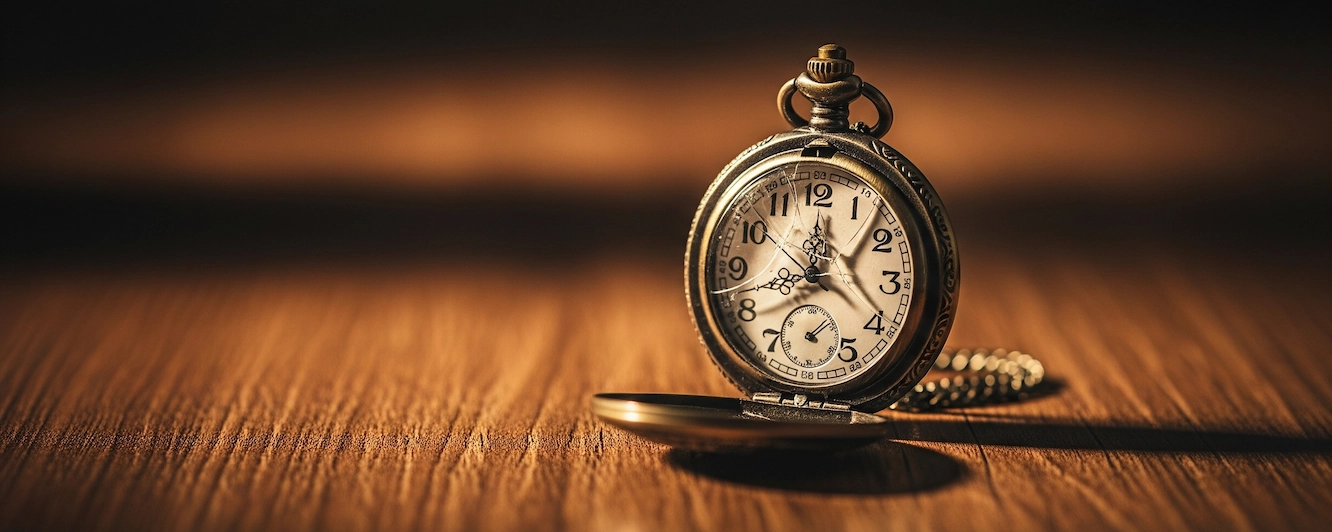
Physical objects that we acquire play a large role in the formation of our memories. Let’s take the example of a simple object like a watch. A quiet companion. It ticks, it pauses, it rests on our skin, and over time, it collects more than just seconds; it collects memories.
But have you ever held an old, stopped watch in your hand? A family heirloom, a cherished gift or the one that you bought from your first increment. Your reliable companion of years suddenly ceases its rhythmic beat. More than just a broken mechanism, such an object holds a profound narrative, a silent testament to value, an echo of loss, and a deep reservoir of memories.
Today, I narrate the story of the broken watch. A philosophical journey through the ebb and flow of time, and a poignant exploration of how objects intricately link to our most precious memories and affect our lives.
A Cherished Gift
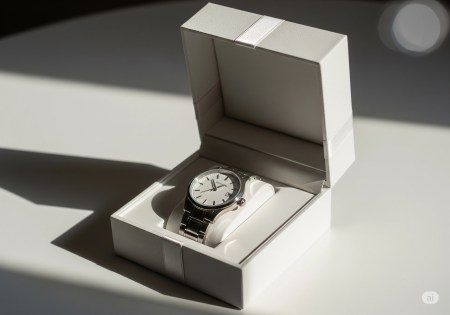
A beautifully wrapped box. Inside, nestled on a velvet cushion, lies a watch. It gleams under the light, its hands poised, ready to mark the moments of your future. The feeling is electric, a mix of excitement, gratitude, and a budding sense of ownership.
Maybe it was your birthday, the day of your graduation, or the moment you got your first paycheck. Maybe someone important gifted it to you. A parent whose eyes were filled with pride, a grandparent who whispered stories of their time, a friend who knew your taste or a partner who wanted you to remember them every second of the day.
The watch is a symbol of the giver’s affection, their hopes for your future, or the significance of the event it commemorates. The initial touch of its cool metal against your skin, the satisfying weight of it on your wrist, the subtle ticking that announces its presence. These sensory details immediately begin to form the first layers of memories.
You wear it with pride, a constant reminder of that special day and the person who bestowed such a thoughtful gift upon you. Every glance at its face starts building a quiet archive of memories.
Building Memories
Soon, the watch became a constant presence as hours turned into days, days turned into months and months into years.
The watch seamlessly integrates into the rhythm of your life. It’s there for your morning commute, a silent witness to your workday, a companion during late-night dates. You consult it for appointments, for the start of a movie, for the exact moment you need to leave. It becomes an extension of yourself, almost a part of your identity.
The ticking becomes a subconscious soundtrack to your existence, a gentle reminder that time, like life, is in constant motion. You associate it with countless experiences: the tension of a job interview, the joy of a first date, the anticipation before a big presentation, the quiet solace of a walk in the park.
Each moment lived with the watch on your wrist imprints itself, subtly but surely, onto your consciousness, adding vibrant threads to the tapestry of your memories. It’s a silent keeper of secrets, a quiet confidante, accumulating an immeasurable wealth of personal history.
The small scratches it accumulates, the slight fading of its numerals. These aren’t imperfections, but rather badges of honour, each one a testament to a lived experience and a story held within your memories.
The Abrupt Halt
Then one day, something goes wrong. Without warning, the watch stops. The rhythmic ticking falls silent. The hands, once so diligently sweeping forward, are now frozen in time. The cause could be sudden and dramatic, or slow and insidious.
Sudden Loss
Perhaps it slipped from your wrist, hitting the hard ground with a sickening thud. This mirrors abrupt, traumatic events in life. A sudden loss, an unexpected illness, a devastating setback. The immediate sinking feeling in your stomach is powerfully etched into your memories, forever linking the broken watch to that specific, painful instant.
Gradual Decline
Or the watch might simply start losing time. Its tick-tock grows erratic, and one morning, it simply stops. This slow decline mirrors the gradual erosion of certain aspects of our lives. The fading of a friendship, the quiet decline of health, the gradual dissipation of a dream. A dawning realisation that something precious is slipping away. The last tick becomes a sad punctuation in your memories of a slow goodbye.
Wear and Tear
Sometimes, a watch simply wears out from years of faithful service. Components degrade, lubricants dry, and the intricate machinery ceases to function. This represents the natural wear and tear of life. A gentle break, reminding that even the most enduring things have a lifespan. The accumulated memories associated with its long service make this particular breakdown bittersweet.
The Impact
The most striking impact of the broken watch is the ‘Frozen Time’. The hands of the watch stuck at a particular moment, become a permanent marker for the exact instant of its demise. This frozen time denotes that the watch is no longer a tool to measure the future, but a monument to the past.
Every glance at the watch is a reminder of its brokenness, creating a “dent” in your experience and in your memories. This disruption can impact various aspects of your life:
- Emotional: A feeling of sadness, regret, or even anger. It’s not about the monetary value but the emotional investment in the memories associated with the watch.
- Disruption: If the watch represented order, its brokenness triggers feelings of chaos. It’s a metaphor for areas in our lives where we might feel things are no longer “on track.”
- Perspective: It reshapes how you perceive time, making you more aware of the fleeting nature of each second, which in turn deepens the value of present memories.
An Unmended Memory
Eventually, you decide to get the watch fixed. You take it to the technician. They open it up, peer inside, and nod thoughtfully. The gears are cleaned. The battery is replaced. The strap tightened. The surface is polished.

It ticks again. Just like before.
You wear it again. It tells time.
However, despite the physical repair, something has fundamentally changed. The initial, pristine innocence of the watch is gone. The knowledge of its breakdown, the memories of that jarring moment, linger. The “dent” remains. Not on its physical surface but within your perception and your memories.
This mirrors life’s scars. We heal, we recover, we move forward, but the experiences that broke us leave an indelible mark. These experiences become part of our narrative, shaping who we are and influencing our future actions, always remaining a part of our intricate tapestry of memories.
The Deeper Meaning
The broken watch highlights a profound truth. Materialistic things, particularly those connected with personal significance, are not just things. They become repositories for our experiences, emotions and memories.
These objects absorb our lived experiences and become anchors to specific points in our timeline.
A watch becomes the anticipation of a meeting, the tension of a deadline, the quiet joy of a shared moment. A photograph becomes the laughter of a loved one, the warmth of a sunny day, the feeling of a particular embrace.
When they are lost or broken, it feels like a part of our personal history is being erased or damaged. This is why we grieve for lost possessions and cherish heirlooms. They are tangible links to our past selves and the people and moments that have shaped us.
Life Lessons from the Broken Watch
The broken watch offers invaluable life lessons, particularly regarding how we perceive time and cultivate our memories.
Embrace the Present
The watch, whether it breaks abruptly or slowly, reminds us that every second is finite. This urges us to live in the present, to savour each moment, to engage fully with our experiences. Because once a moment passes, it becomes a memory, and not all memories are guaranteed to be pristine.
Value What You Have
We often take things for granted until they are gone or broken. The “breakdown” serves as a harsh reminder to cherish what brings us joy and purpose. This appreciation, in turn, creates richer, more positive memories.
Resilience and Adaptation
Life will inevitably throw curveballs, causing metaphorical “breakdowns.” The ability to adapt, to repair what can be fixed, and to carry on despite the scars is crucial. These experiences, though painful, ultimately contribute to our growth and shape the depth of our memories.
Value of Objects Lies in The Stories
The monetary value of a watch is nothing in comparison to the emotional and historical value it accumulates. It’s the stories, the shared experiences, and the embedded memories that make an object truly priceless. This shifts our perspective from consumption to connection.
Memories are the True Treasures
The broken watch, even in its stillness, serves as a powerful reminder that our experiences, our relationships, and the moments we’ve lived are the real wealth we accumulate. These are the treasures no one can break, steal or take away.
How to Avoid the Aftermath
While we can’t stop watches from breaking, we can reduce the shock. By adopting practices that minimise the damage:
- Mindfulness: Practice being present. Pay attention to the small details, the fleeting emotions, the quiet joys.
- Build Relationships: Spend quality time with loved ones, communicate openly, and express appreciation. Strong relationships are a buffer against life’s shocks and a source of countless positive memories.
- Embrace Imperfection: Understand that life, like a watch, will experience wear and tear. Accept that breakdowns are part of the journey. It reduces the emotional impact and allows for more nuanced memories.
- Practice Gratitude: Regularly reflecting on what you are grateful for shifts your focus from potential loss to existing abundance. This positive outlook reinforces good memories and builds emotional resilience.
- Learn from Setbacks: When things do break down, take time to reflect. What lessons can be learned? How can this experience help you grow? Turning challenges into learning opportunities strengthens your character and adds depth to your memories.
Further Reading
If this story touched you, here are a few books that explore memory, time, and loss:
The Remains of the Day by Kazuo Ishiguro
A deeply moving story of an ageing English butler reflecting on his life of duty, lost love and repressed emotions. Through quiet introspection, the novel explores how time and memories shape our understanding of purpose, regret, and identity.
Norwegian Wood by Haruki Murakami
A poignant tale of love, loss, and coming-of-age, set against the backdrop of 1960s Tokyo. It explores the fragility of youth and the haunting power of memories that linger long after time has moved on.
The Things They Carried by Tim O’Brien
A blend of fiction and memoir that explores the emotional weight soldiers carry during and after the Vietnam War. It reveals how memories, trauma, and guilt can be heavier than any physical burden.
Conclusion
The story of the broken watch reminds us that while life’s delicate machinery may falter, and certain moments may become frozen in regret, our capacity to draw lessons, to heal, and to appreciate the present remains intact.
Ultimately, the watch, broken or repaired, continues to tell a story of lived experience. Of beginnings and endings. Of fragility and endurance. It teaches us that the greatest value isn’t in what we own, but in the relationships we cultivate and the enduring memories we gather.
So, next time your watch breaks down, pause and listen to its silent story, for it holds profound truths about the invaluable nature of time, the inevitability of loss, and the eternal, precious legacy of our memories.
I am positive that you found this story informative and useful!
Please subscribe to my blog by filling in your details below:
My blog has countless such articles and stories to guide you and quench your thirst for knowledge.
You can also follow me on X and Facebook to read more such stories and posts.
PS: Gemini and/or ChatGPT have been used to create parts of this post.
Leave a Reply