
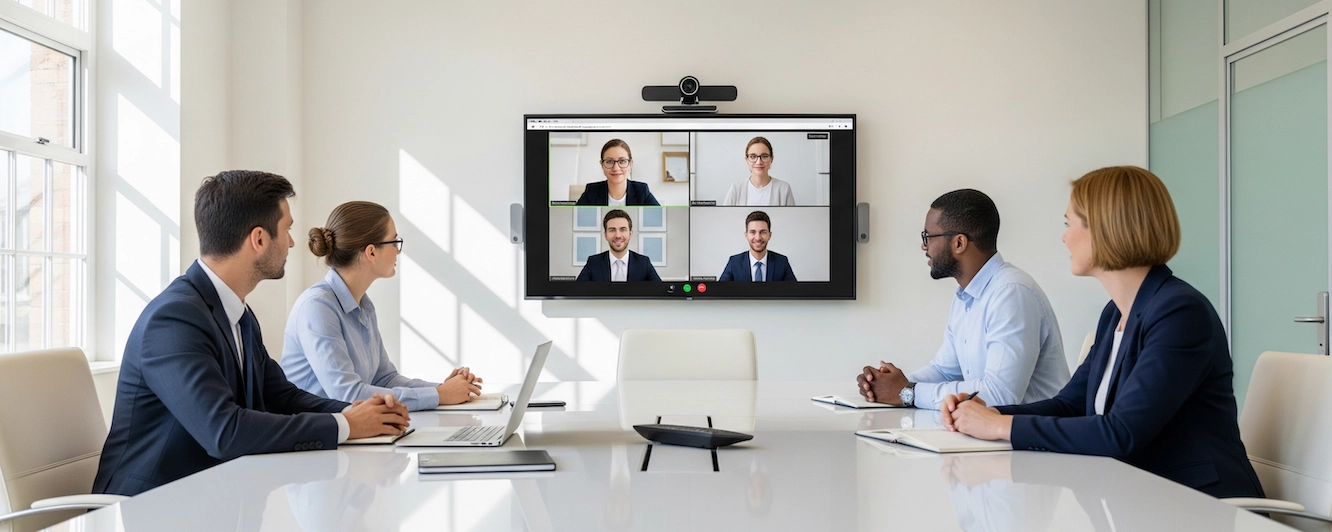
Etiquette in the digital workplace is more important than ever.
Imagine this: you’re on a Zoom call, presenting a strong point, when suddenly a dog starts barking in the background. Someone is typing loudly without muting, while another participant is multitasking across multiple screens. Welcome to today’s digital office, fast, flexible, and often a little chaotic.
In the modern workplace, where digital tools and virtual spaces dominate, the way we carry ourselves has evolved into a crucial determinant of success. We’re no longer navigating just cubicles and conference rooms; now it’s messages, virtual meetings, hybrid work setups, and emojis in emails.
While technology has transformed how we work, the essentials of respect, clarity, and professionalism remain unchanged. Only the setting has shifted, and our etiquette must evolve to keep up.
Mastering office etiquette is no longer just about handshakes and eye contact. In this article, I share 9 rules that help in navigating both physical and digital work environments with finesse.
Why Etiquette Matters
Etiquette forms the backbone of any professional environment. Etiquette promotes mutual respect and creates a harmonious work culture. Whether we are collaborating with teammates or managing clients, the way we conduct ourselves both online and offline directly impacts our reputation and relationships.
Proper etiquette ensures smooth communications, minimises misunderstandings, and projects credibility. It signals that we value others’ time and effort, earning us respect and trust in return.
“Be sincere, be brief, be seated.”
Franklin Delano Roosevelt
In the digital age, where face-to-face cues are limited or absent, small gestures (or their absence) speak volumes. Whether it’s responding promptly, muting during calls, or using a professional tone online, etiquette ensures we don’t just function as teams, but we thrive.
Etiquette helps us in:
- Building Credibility: People trust and respect those who respect others
- Fostering Collaboration: Good etiquette creates a positive work culture and smoother teamwork
- Enhancing Productivity: Fewer miscommunications and conflicts = focused work
Etiquette for Digital and Hybrid Workplaces
Now let’s explore nine essential etiquette tailored for digital and hybrid workplaces.
1. Virtual Meeting Etiquette
Virtual meetings are now the heartbeat of teamwork. How we behave during these calls directly reflects our professionalism and respect for others. A few simple practices can make a huge difference between a messy meeting and a productive one.
Imagine for a moment that you join a virtual meeting unmuted while your kids are playing in the background. Your camera’s off, the mic is on and you’re in your pyjamas sipping loudly from a mug. Is it professional by any standards?
In the absence of physical presence, how we show up on-screen shapes perceptions. Respect starts with a professional presence.
Useful Tips:
- Chose a quiet and disturbance-free work area
- Dress professionally (even if it’s just the top half!)
- Join on time, being late virtually is still being late
- Mute yourself when not speaking
- Use video when appropriate, it shows engagement
- Avoid multitasking, you’re more visible than you think
Best Practice: Having a neutral, tidy background and good lighting is important. It makes a bigger difference than you’d imagine.
2. Digital Communication Etiquette
The written word carries weight in the digital world. Whether it’s a chat message or an email, our digital communication etiquette can either build rapport or create friction. Choosing the right words and tone helps foster better, warmer, and more productive relationships.
Think about this. If you reply to a team email with “noted”, no greeting, and no punctuation, how the sender would feel?
The tone is hard to interpret online. Without vocal inflexion or facial expressions, even well-meaning messages can seem curt or cold.
Useful Tips:
- Always use greetings and signoffs, especially in formal or first-time emails
- Be careful with all caps (it screams!)
- Add warmth with phrases like “Hope you’re doing well” or “Thanks for your quick reply”
- Emojis? Okay for chats but avoid them in client emails unless rapport is well established
Best Practice: Read important messages 2-3 times before sending. If you feel that your message can be misinterpreted, rephrase it or call instead.
3. Working Hours Etiquette
Remote work offers amazing flexibility. But this may lead to unintended intrusions. Honouring others’ work-life balance shows deep professional maturity and thoughtfulness.
What happens if you ping your colleague on WhatsApp at 10:45 PM asking for an urgent update? Remote work often blurs the line between “on” and “off” time.
Every team member irrespective of their level in the hierarchy, needs ‘me time’ and ‘family time’ to unwind and recharge. Respecting boundaries shows empathy and fosters a healthier work culture.
Useful Tips:
- Use scheduling tools (like delayed emails or schedule-send) for after-hours communication
- Set clear expectations for response time
- Respect OOO (out of office) messages and weekend silences unless truly urgent
Best Practice: If you’re a night owl or early bird, that’s great, but don’t expect others to follow your circadian rhythm.
4. Team Engagement in Hybrid Settings
Hybrid meetings pose a unique challenge: making everyone feel equally valued whether they are in the room or joining remotely. Paying equal attention to both groups is key to building a cohesive team. At times we end up paying more attention to the people who are physically present.
For example, imagine that you are in the office meeting room, but half the team is remote. You may ignore the laptop screen and focus only on in-person attendees. In hybrid workspaces, inclusivity is everything. Remote teammates shouldn’t feel like second-class participants.
Useful Tips:
- Acknowledge and involve remote participants actively
- Look into the camera periodically, not just at your screen or room
- Use shared whiteboards or digital tools so everyone can see
Best Practice: Allocate specific time to the remote participants during the various stages of the call.
5. Timely Response Etiquette
Being timely in responses is a mark of professionalism. In the age of instant messaging and 24/7 access, people get restless if their messages are not responded to promptly. Timely responses keep the momentum alive and show that we value others’ contributions.
Imagine if you have left an email unread for three days because you’re “thinking about it”, how the sender(s) will know if you are thinking, or if you simply missed their message?
Digital communication lacks the benefit of hallway nudges or water cooler reminders. Unanswered messages delay decisions and breed frustration.
Useful Tips:
- Acknowledge receipt even if you can’t respond fully yet
- For a response that will take time, share a realistic response time
- Use flags or folders to manage your email flow
- For internal tools like Teams or Slack, aim to reply within a few hours
Best Practice: Create a “Reply Hour” in your day to clear out unanswered messages without mental overload.
6. Camera and Mic Etiquette
Maintaining control over our camera and microphone is the basic etiquette in digital settings. These save us from cringeworthy moments and virtual embarrassments.
Consider this: You forget to mute yourself while munching chips. Or worse, forget the camera’s on during a private moment.
“Let your internet engagement show your inner beauty through online actions with Netiquette.”
David Chiles
These moments can be distracting, embarrassing, or even offensive. They show lack of attention to others’ time and focus.
Useful Tips:
- Avoid multitasking on calls as much as possible
- Choose a well-lit and disturbance-free area for calls
- Mute yourself by default in large meetings, unmute only when you have to speak
- Turn on the camera when speaking
- Check your mic, lighting, and background before important calls
Best Practice: Always conduct yourself assuming that the camera and mic are live. Recheck that both the camera and mic are off before multitasking.
7. Collaborating Across Time Zones and Cultures
Working in global teams brings a wealth of perspectives, creativity, and innovation. But with that diversity comes the responsibility of respecting not just time zones, but also cultural differences in work styles, communication, and holidays.
Consider the scenario that you set up a team meeting for 9 AM IST, forgetting it’s 2:30 AM for a teammate in Toronto on their local public holiday.
Etiquette for collaboration across borders demands more than technical tools. When people feel their time and traditions are respected, they’re more engaged, motivated, and productive.
Useful Tips:
- Use world clock tools or platforms to find fair meeting slots
- Ask permission before scheduling a call at an inconvenient hour
- Rotate meeting times periodically to share the inconvenience, not just the convenience
- Be mindful of global holidays and local customs
Best Practice: Add your working hours, time zone, and key local holidays to your calendar. It helps others plan with empathy and professionalism.
8. Document and File Sharing Etiquette
A cluttered file system is the new messy desk. Clean file sharing saves time, reduces confusion, and makes us look incredibly professional.
Imagine that you send a file titled “finalfinal_USE_THIS2.docx” with broken links and no context. What would the recipients make out of it?
Digital file chaos slows down collaboration. Clean, labelled, and updated documents build trust and clarity.
Useful Tips:
- Use consistent naming conventions and versioning (e.g., “Q2_Pitch_2025_v3.pdf”)
- If possible, add a date and/or time stamp in the filename to convey recency (e.g., “Q2_Pitch_v3_23042025_1400.pdf”).
- Double-check permissions before sharing (view/edit/download)
- Provide context in your message when sharing files
Best Practice: Avoid attachments when a shared cloud folder link is available. It is more efficient and ensures everyone sees the latest version.
9. The Etiquette of the Follow-up
Following up can be awkward, but if done right, it’s one of the most professional skills we can master. It shows persistence without pestering.
Consider the situation that you sent a request to your boss a week ago. No reply. Do you nudge? When? How?
Following up is essential, but how we do it can either strengthen relationships or strain them.
Useful Tips:
- Wait 48–72 hours before following up unless it’s urgent
- Be polite: “Just checking in on this” works better than “Any update??”
- Always reply to the original thread to maintain continuity.
Best Practice: Include deadlines and context in your initial message to reduce the need for follow-ups.
Conclusion
Etiquette, in essence, is the art of making people feel respected and valued, whether in physical or digital spaces. By practising these nine rules, we not only enhance our professional presence but also contribute to a workplace etiquette that thrives on trust, respect, and collaboration.
“Laws control the lesser man. Right conduct controls the greater.”
Mark Twain
Here’s a quick recap of the 9 modern office etiquette:
- Show up right in virtual meetings
- Watch your tone in texts and emails
- Respect time, yours and others
- Include everyone in hybrid settings
- Reply promptly and consistently
- Control your mic and camera like a pro
- Respect time zones and local customs in global teams
- Share files clearly and professionally
- Follow up with grace, not pressure
As we continue to navigate this evolving workplace, these etiquette act as our compass. Practicing them not only enhances our reputation but also elevates our team’s culture. And at the end of the day, etiquette isn’t about being perfect, it’s about being thoughtful.
So, whether we are logging in from our living room, a cafe, or the 18th floor of a corporate tower, we must remember that professionalism never goes out of style. It just changes its appearance.
I am positive that you found this article informative and useful!
Please subscribe to my blog by filling in your details below:
My blog has countless such articles and stories to guide you and quench your thirst for knowledge.
You can also follow me on X and Facebook to read more such stories and posts.

Leave a Reply