

In both corporate and public life, integrity is the invincible currency that sustains trust. Integrity is the unwavering commitment to ethical principles, honesty, and transparency, even when no one is watching. Integrity forms the bedrock on which reputations are built, deals are struck, and empires are sustained.
When this foundation fractures, the entire structure of an organisation and sometimes an entire industry can collapse. History offers stark reminders of the catastrophic consequences when integrity is compromised.
Once celebrated as a model of innovation in the energy sector, Enron abandoned integrity in the relentless pursuit of profit and power. In doing so, it transformed from a Wall Street darling to the ultimate symbol of corporate fraud and moral bankruptcy.
Today, I narrate the story of the rise and collapse of Enron’s global empire. A stark reminder of the profound importance of corporate integrity and the devastation that follows in its absence.
The Birth of a Giant
The story began in 1985, when two natural gas companies, Houston Natural Gas and InterNorth, merged to form Enron. The timing seemed perfect. The United States was deregulating its energy markets, opening the door for private players to seize new opportunities. At the centre of it all was Kenneth Lay, the man who orchestrated the merger and would soon become the face of Enron.
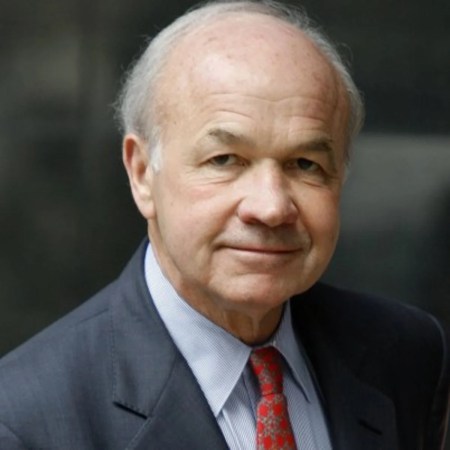
Lay’s vision was bold. He wanted to transform Enron from a traditional pipeline operator into a cutting-edge energy trader. A true “market-maker” in the freshly deregulated landscape. He once told employees, “Our vision is to become the world’s leading energy company, and we will get there by being the best, not the biggest.”
It was a vision that promised growth, innovation, and industry leadership. But visions only endure when they are anchored in integrity. Without it, ambition can become a dangerous force.
Enron positioned itself as a pioneer in energy trading. It poured money into pipelines, expanded infrastructure, and chased new markets across the globe. The company’s public image was one of daring innovation and unstoppable momentum.
Yet, behind that polished image, cracks began to form. Decisions that should have been grounded in integrity started to bend under the weight of profit-driven shortcuts. Those early compromises would plant the seeds for both its meteoric rise and its eventual, catastrophic fall.
Expanding Horizons
Under Lay’s leadership, Enron grew at an astonishing pace through the late 1980s and early 1990s. What began as a natural gas pipeline business transformed into something far more ambitious. The company ventured into trading electricity, broadband, water, and even weather derivatives. Bold moves that captured the market’s attention.
Enron’s ambition was clear. It wanted to be the “Amazon.com of energy,”. A company that could trade anything, anywhere. Its reach extended far beyond the US borders, building a vast global network with offices in London, Brazil, and India. In these emerging markets, Enron promised to bring modern energy solutions and cutting-edge expertise.
The results, at least on the surface, were dazzling. By the late 1990s, Enron was one of America’s largest corporations, with revenues surpassing $100 billion. Fortune magazine repeatedly named it “America’s Most Innovative Company.” Investors viewed it as a tech-savvy energy powerhouse, a shining example of modern corporate success.
Transforming the Energy Sector
Enron’s rise reshaped the global energy landscape. It became a pioneer in energy derivatives trading, turning a once-static commodity into a dynamic marketplace. The company was among the first to use complex financial instruments to hedge energy prices, introducing sophisticated trading techniques to an industry long known for its caution.
Enron promised to change how the world thought about energy. As Kenneth Lay told shareholders, “We are not an energy company. We are a company that deals with the world’s most important commodity, information about energy.” With ventures in renewable energy, global power projects, and even broadband, Enron presented itself as an unstoppable force, brimming with vision and innovation.
But vision without integrity is like a skyscraper built on sand. Beneath the dazzling valuations and glowing headlines, subtle cracks had begun to appear. The company’s rapid growth was increasingly fuelled by practices that drifted away from the principles that safeguard trust. The outward strength masked a fragile core, one that could crumble with the slightest pressure.
The Early Signs of Trouble
The first cracks in Enron’s shining facade appeared quietly, almost invisibly, and were often brushed aside as the quirks of a bold, unconventional company. In the late 1990s, Enron began using a complex “mark-to-market” accounting method to mask its mounting debts and losses.
This technique allowed the company to record future profits on the very day a deal was signed, even if no money had changed hands. On paper, it created a picture of relentless growth. In reality, it was an illusion.
To push the deception further, Enron built a web of Special Purpose Entities (SPEs). Officially, these entities were independent. In truth, they were controlled by Enron executives. Their real purpose was to sweep billions in debt out of sight, keeping it off the company’s balance sheet.
The scheme might have been legal under the rules of the time, but it was a flagrant betrayal of integrity. It mocked the spirit of honest accounting and revealed a willingness to manipulate trust for personal and corporate gain. Chief Financial Officer Andrew Fastow was at the heart of it all, crafting the partnerships and profiting personally from the fraud.
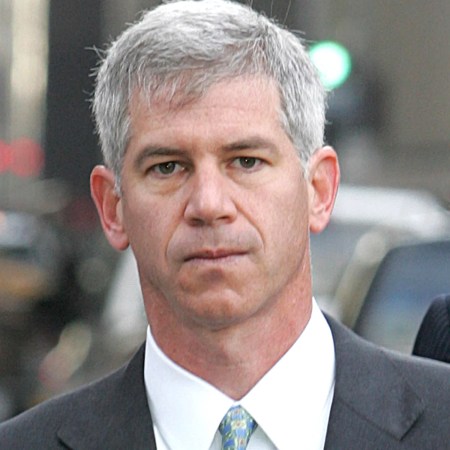
Analysts occasionally asked tough questions. In early 2001, analyst Richard Grubman pressed Jeff Skilling about Enron’s lack of transparent financial data. His response would become infamous.
The Outburst
In February 2001, Jeff Skilling, a long-time Enron executive and the architect of its trading-based business model, stepped into the role of CEO, succeeding Kenneth Lay. To many, Skilling was a visionary who had reshaped the company’s direction. But inside the corridors of Enron, he was equally known for his sharp arrogance and his intolerance for dissent.

Two months later, in April 2001, that reputation would be laid bare. During a conference call with Wall Street analysts, Richard Grubman pressed Skilling about Enron’s convoluted accounting and its refusal to provide a standard balance sheet. It was a legitimate question, one that demanded a response grounded in professionalism and integrity.
Instead, Skilling lashed out. “Thank you very much, you asshole,” he snapped. The remark was more than a lapse in decorum; it was a rare, unfiltered glimpse into Enron’s corporate culture. It revealed a leadership that viewed scrutiny as an insult, not a safeguard.
In that brief exchange, the mask slipped. The company’s leaders had stopped operating with the honesty and transparency that integrity demands. The cracks were no longer hairline fractures; they were widening, and the strain was beginning to show.
Missed Meetings
By August 2001, the pressure inside Enron was reaching a breaking point. The financial problems that had once been buried under layers of creative accounting were becoming harder to disguise. On August 14, Jeff Skilling abruptly resigned as CEO, citing personal reasons. The announcement rattled investors and sent shockwaves through Wall Street. Behind closed doors, one Enron executive reportedly summed it up bluntly: “Jeff saw the iceberg before anyone else and jumped.”
His resignation came just weeks before a pivotal, pre-arranged meeting with Sherron Watkins, an Enron vice president whose courage would later become legendary. Watkins had penned a memo to Kenneth Lay, outlining her deep concerns about the company’s accounting practices. In it, she warned, “I am nervous that we will implode in a wave of accounting scandals.”

Days later, a high-stakes meeting with Wall Street analysts was set to calm the markets. Kenneth Lay, who had stepped back in as CEO, reassured the room, “Our fundamentals are strong, and our growth prospects are excellent.” But the words rang hollow. The absence of the man long seen as Enron’s driving force only deepened the unease. Instead of restoring confidence, the moment cemented suspicion that something was very wrong.
The Downfall
In October 2001, Enron stunned the market with a massive quarterly loss of $618 million and a $1.2 billion hit to shareholder equity. The US SEC launched an investigation, and as the layers of deceptive accounting and off-the-books entities were peeled back, investor confidence began to unravel.
On November 8, Kenneth Lay tried to rally the troops. “Our stock price is hurting,” he told employees. “But you have to remember, we are Enron. We will emerge stronger.” It was a message meant to inspire, but within weeks, Enron’s stock, once trading above $90 a share, collapsed to less than $1 by December. On December 2, 2001, the unthinkable happened: Enron filed for bankruptcy, the largest in U.S. history at the time.
SEC investigation revealed a culture where integrity had been stripped away piece by piece. Senior executives had lined their own pockets while feeding false hope to employees, misleading shareholders, and deceiving the public. The cost was devastating. Thousands of employees lost their jobs and life savings.
The Auditing Catastrophe
The role of Enron’s auditing firm, Arthur Andersen, is a pivotal chapter in this saga. As one of the “Big Five” accounting firms, Andersen was entrusted with being the gatekeeper of financial transparency and integrity. The independent voice that ensured truth prevailed over manipulation.
Instead, they became a willing accomplice. Andersen didn’t just sign off on Enron’s fraudulent accounting; they actively helped design the labyrinth of off-balance-sheet partnerships that kept billions in debt hidden from investors.
Enron was one of Andersen’s most lucrative clients, paying millions in auditing and consulting fees. One Andersen partner would later admit, “The client is paying our bills. If they want a certain accounting treatment, we try to make it happen.” In that single sentiment, the collapse of integrity was laid bare, and the watchdog had become the lapdog.
During the inquiry, Andersen shredded thousands of documents tied to Enron in a clear act of obstruction. The firm’s complicity was exposed, and the result was the implosion of a century-old institution. A stunning reminder that when integrity is sold, the fall is swift and irreversible.
Global Aftermath
Enron’s collapse sent shockwaves worldwide, sparking a crisis of confidence in financial markets. It was more than a corporate failure. It was a reckoning with what happens when integrity is traded for greed.
The scandal triggered sweeping reforms. Stricter accounting rules, tighter oversight, and tougher corporate governance became the new norm. Auditors, once trusted guardians of truth, faced unprecedented scrutiny.
In India, the Dabhol Power Project mirrored the disaster. Mired in controversy from the start, it was left in limbo after Enron’s fall, inflicting massive losses and leaving a lasting scar on the nation’s energy ambitions. It was proof that without integrity, even grand projects collapse.
A Cautionary Conclusion
The story of Enron is a timeless tale of how greed can seduce even the most celebrated pioneers, and the ruin that follows when integrity is cast aside. Once hailed as an innovator reshaping the energy world, Enron became the ultimate symbol of corporate deceit and moral collapse. Its fall is a stark reminder that lasting success is not written in soaring stock prices or market capitalisation, but in the trust earned from stakeholders.
The ghost of Enron still lingers in boardrooms and on trading floors, whispering warnings from a past where a company chose deception over honesty and, in doing so, scripted its demise. It is a lesson etched into corporate history. One that every leader, every business, and every individual should carry as a constant guardrail: without integrity, even the mightiest will fall.
I am positive that you found this story interesting and useful!
Please subscribe to my blog by filling in your details below:
My blog has countless such articles and stories to guide you and quench your thirst for knowledge.
If you enjoy videos, you can watch interesting thoughts and stories on my YouTube channel.
You can also follow me on X and Facebook to read more such stories and posts.
PS: Gemini and/or ChatGPT have been used to create parts of this post.
Leave a Reply